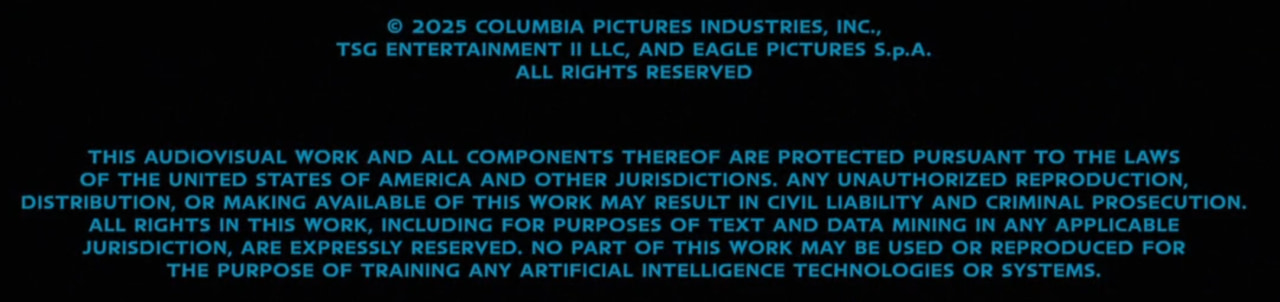
The only way to prove that someone is old enough to use a site is to collect personal data about who they are. And the only way to prove that you checked is to keep the data indefinitely. Age-restriction laws push platforms toward intrusive verification systems that often directly conflict with modern data-privacy law.
This is the age-verification trap. Strong enforcement of age rules undermines data privacy.
To this point, here are some of the recent changes:
Here’s where each of the “All Operating Systems must do age verification” laws are as of today.
- Brazil (Law 15.211) : Signed into law. Requirements in effect on March 17th, 2026.
- California (AB-1043) : Signed into law. Requirements in effect on January 1st, 2027.
- Colorado (SB26-51) : Passed Senate on March 3, 2026.
- New York (S8102A) : In Senate Committee.
Note: As of today, March 4th, Operating Systems developers have only 13 days remaining before the Brazilian law takes effect.
Related: In order to “incentivize” age verification, The Federal Trade Commission (FTC) has announced that they will ignore COPPA violations for software performing age verification.
The American approach is more suitable for a technologic translation — devices for kids (think iPhone 17e, with underage-mode enabled) require explicit permissions, either à priori, or an interactive prompt to their guardian’s devices.
The European approach is much more difficult — you need to use your government-issued ID certificate to authenticate on the web, which leads to the end of the anonymous internet. I believe this change is coming, but I would like to preserve the 2000s internet as the governance model, especially given how our global village navigates the geopolitical changes of the 21st century.
Regardless, internet websites require a way to asking the age of their users from either the user or the device. Users lie — everyone I know lied on website age checks, even after being 18, out of habit — so device-based checking is being instituted. Apple designed an API on the 26+ versions of their OSes, in response to the law changes mentioned above.
Mandating that operating systems even have accounts is insane. The Facebook dominance of the user-facing internet gives lawmakers the false impression that the whole internet follows the same siloed pattern. But the internet and operating systems are so much more than that: we should have the freedom to design operating systems (and internet protocols) however we like. If I want to design a user-less operating system, I should. Internet protocols should be designed by experts who understand how the internet works, with input from the social sciences to understand the impact.
A simpler alternative would be for a non-profit or a government authority to create whitelists of websites that are suitable for different age ranges, and let parents configure those whitelists in their kids devices.
But I am sure I can embed an http proxy in our university domain. The bottomline is that there is no technology that can replace good parenting.
Escolas médicas querem regime de excepção nas regras contra endogamia académica
“As unidades orgânicas que não tenham pelo menos 40% de docentes e investigadores de carreira licenciados ou doutorados noutra instituição de ensino superior ficam impedidas de contratar, independentemente do tipo de vínculo, nos três anos subsequentes à obtenção do grau de doutor, como docentes ou investigadores que nela tenham obtido todos os seus graus académicos.
Esta regra é um grande tiro no pé, prejudicando imensamente universidades no interior ou em cidades que só têm uma universidade. Imaginemos, alguém que termina o doutoramento na Universidade de Lisboa, pode ir para a Nova, para o ISCTE ou para outra das várias universidades que Lisboa tem. Já alguém que termine o doutoramento na UTAD tem obrigatòriamente de mudar de cidade. Imaginem o problema da UTAD com dificuldade em contratar professores, porque os doutorados que lá vivem não podem lá trabalhar.
Ora, existem vários motivos válidos para alguém não querer mudar de cidade (apoio à família, não querer que os filhos mudem de escola, two-body problem, ou porque acumulam com outra actividade profissional que é local. Esta medida prejudica gravemente quem está nestas situações.
E sim, eu sei que existe muita endogamia controlada (incluindo na Medicina), mas a solução não é bloquear contratações. Nem é delegar a contratação para elementos externos, como acontece com os painéis de peritos imparciais, mas que são escolhidos pela casa a dedo para valorizarem o que querem valorizar, numa táctica de tit-for-tat. Nós devemos dar às instituições a liberdade de definirem os seus objectivos e as estratégias e práticas que levem a esses objectivos. Mas devemos também avaliar e fiscalizar as decisões tomadas, com fortes implicações na carreira. Se a estratégia de contratação de uma entidade não funciona, é preciso entender o porquê e perceber se foi de má fé ou não.
Isso é o que devemos combater: a endogamia que foi feita por má vé, vs a endogamia que acontece por factor externos e justificáveis.
New applications and networks appear daily, without administrative hoops; often, this is referred to as “permissionless innovation which allowed things the Web and real-time video to be built on top of the network without asking telecom operators for approval
Yes, the internet is a huge, but unlikely success that (I believe) was only possible because it moved faster than regulatory and legislative bodies could understand it.
On the other hand, the Australian eSafety Regulator’s effort to improve online safety – itself a goal not at odds with Internet openness – falls on its face by applying its regulatory mechanisms to all actors on the Internet, not just a targeted few. This is an extension of the “Facebook is the Internet” mindset – acting as if the entire Internet is defined by a handful of big tech companies. Not only does that create significant injustice and extensive collateral damage, it also creates the conditions for making that outcome more likely (surely a competition concern). While these closed systems might be the most legible part of the Internet to regulators, they shouldn’t be mistaken for the Internet itself.
Yes, countries are regulating something that they do not own (the internet), without considering that (critical, public and international) infrastructure’s wellbeing. There are no border controls on the internet, and while I agree there should be regulation and laws on what you can do with the internet, the internet itself (the infrastructure) should not be regulated.
Likewise, the many harms associated with the Internet need both technical and regulatory solutions; botnets, DDoS, online abuse, “cybercrime” and much more can’t be ignored. However, solutions to these issues must respect the open nature of the Internet; even though their impact on society is heavy, the collective benefits of openness – both social and economic – still outweigh them; low barriers to entry ensure global market access, drive innovation, and prevent infrastructure monopolies from stifling competition.
This is where I think Mark is wrong. The unlikely success of the internet is coming to an end, due to the economics of LLM-generated content. If we want the internet to remain open, it should remain open to humans and agents alike. If everyone has an OpenClaw agent running around, they multiply their internet footprint by 1000x or more. ISPs will notice, and change the pricing and economics of the internet. As I warned before, the signal-to-noise ratio will decrease substantially and something alternative will arise from the Internet’s ashes.
An excellent layman’s recap on the dependency (in terms of defense, but also economy) that Europe has on the US tech. What happens if we cannot have US-owned operating systems in our mobile phones? Or we cannot buy American brands for our hospital computers and servers? Will you still receive emails or direct messages?
I will continue my quest to move out of gmail to something European. Unfortunately, Portuguese SAPO is no longer an alternative, so I will have to go for something German, Dutch or Swiss.
Apesar de a Polícia Municipal assegurar que a remoção de bicicletas incide sob veículos abandonados, Paula, a moradora que denunciou a situação, garante ao LPP que as bicicletas removidas na Rua Lopes tinham um aspecto novo ou em bom estado – situação que as suas fotografias comprovam.
MUBi assinala ainda que as bicicletas foram “removidas sem qualquer registo ou informação no local, impossibilitando o direito ao contraditório e deixando os seus legítimos proprietários na convicção de terem sido vítimas de furto”, e manifesta “a sua profunda preocupação e repúdio” em relação à acção levada a cabo pela autoridade policial municipal.
Também me incomodam as bicicletas estacionadas em passeios. Mas a solução não é roubá-las aos donos, mas sim oferecer aqueles cacifos de bicicletas que tanto sucesso têm em Londres.
The Portuguese government runs on top of OpenSource Software. There is a bunch of Java web applications, jQuery-powered websites, the Citizen Id Card runs on open source software and our public data instance also runs on OpenSource. Throughout many organizations, we use linux web servers, Android devices and many other server-side tools. The government even has a GitHub account where they publish some of their projects (and identify open-source dependencies). There is a report listing some of our dependance on Open Source Software.
So, OpenSource software is part of the necessary public infrastructure, just like roads or water sewage are. Both didn’t exist 200 years ago, but they are not expected by all citizens. Would you imagine a government that does not fund sewers? Well, ours does not fund OpenSource software.
But Germany does! Germany has invested more than 23 million euros into sixty projects. It’s time other countries follow the lead, and create a more sustainable environment for open source software.
If we want commercial and data independence from the US and China, we need to invest more in local-first alternatives, and promote the open source alternatives from which European companies can create their own products.
It’s also funny that it claims to be protected by US jurisdiction (where it actually should be protected by the laws of the market where it was bought or rented (or accessed?). I also wonder if the next US president will defend US economy or protect their citizens.
As pessoas em Portugal votam como fãs de partidos como se de clubes de futebol se tratasse. Parabéns à equipa do Lisboa Para Pessoas pelo trabalho nesta plataforma que agrega os programas dos vários partidos para os 18 municípios da zona de Lisboa.
Um sampling nada aleatório:
Nova Direita para Lisboa: Implementar mecanismos de dissuasão da criação de bairros de hegemonia religiosa.
Espero que não se esqueçam da religião católica. Vou adorar o baralhar e dar de novo que vai acontecer com a habitação em Lisboa!
CDU para Lisboa: Defender junto do Governo e da AR que os municípios devem poder, perante o reconhecimento da declaração de situação de carência habitacional, proceder à posse administrativa de fogos com uso habitacional, devolutos ou sem utilização há mais de um ano, após a notificação.
Uma pessoa faz uma sabática e fica sem casa. Que giro!
“Moedas para Lisboa:” 100% da frota da Carris com zero emissões até 2030.
Alguém que me explique como é possível ter zero emissões num transporte público. A matemática não faz sentido.
No caso das licenciaturas, estas taxas servem para as universidades públicas receberem mais dinheiro do que a propinas que está definida por lei. A nível de doutoramento, serve para manter o valor da propina naquele que a FCT suporta nas suas bolsas (2750 euros).
A verdade é que os alunos vêem um preço anunciado, e depois é-lhes impossível acabarem o curso pagando apenas esse valor. É literalmente publicidade enganosa.
Precisamos de duas mudanças: eliminação das taxas por parte das Universidades e Politécnicos, englobando esse custo na propina. Um aluno pagando a propina, deve conseguir ter acesso a assistir às aulas, ser avaliado e obter o diploma, sem qualquer taxa.
E o estado precisa de majorar o financiamento das universidades, que claramente têm de recorrer a estas acções eticamente discutíveis para manter a sustentabilidade económica que lhes é exigida pelo Tribunal de Contas.
As I stated before, the boundary of what is copyright infringement when it comes to machine training is quite blurred.
If you see LLMs as their own entities (I don’t, but I’m afraid Nobel laureate Geoffrey Hinton does), they have the same right to learn as humans. They just happen to have photographic (literary?) memory. Is it their fault?
On the other hand, you look at LLMs as a form of compression. Lossy, yes, but a compression algorithm nevertheless. In that case, if you zip a book and unzip it, even with a few faults, it’s the same book you copied.
Legislation will have to decide on this sooner or latter.
Regardless of my own position, I believe every government should create a task force to think about this, including experts from different fields. Last time something like this (peer-to-peer, Napster, The Pirate Bay) happened, legislation took too long to arise. Now, this are moving at an ever faster pace. And I’m afraid our legal systems are not flexible and agile enough to adapt.
These companies are racing to create the next big LLM, and in order to do that they need more and more novel data with which to train these models. This incentivises these companies to ruthlessly scrape every corner of the internet for any bit of new data to feed the machine. Unfortunately these scrapers are terrible netizens and have been taking down site-after-site in an unintentional wide-spread DDoS attack.
More tools are being released to combat this, one interesting tool from Cloudflare is the AI Labyrinth which traps AI scrapers that ignore robots.txt in a never-ending maze of no-follow links. This is how the arms race begins.
This protest highlights the tension between creating valuable tools and devaluing human content.
The value of AI
ChatGPT (and even Apple Intelligence) is trained on information publicly available on the internet, data from (consenting) third parties, and information provided by their employees or contractors. Over the last year and a half, people have been amazed at what ChatGPT has been able to do. Although the quality of its work fluctuates as new data/methods are being updated, ChatGPT and similar tools are being used to create value. But at what cost?
Unconsciously, The Algorithm has become more and more important in our lives. From Instagram and TikTok reels, X and Facebook timelines, Spotify, YouTube, or Netflix’s recommendations, the decision of what we see is no longer ours. And we are also not delegating our choices to a human editor (as is the case of the old boring telly or radio channels). Those decisions are being made by black-box algorithms that are hidden in the shadows.
The EU AI law, which I blogged about before, only requires explainability for applications in high-risk domains. Entertainment can hardly be thought of as high-risk. However, I would argue that given the importance of online content consumption in today’s society, it should be considered high-risk. One example is the perceived power of Twitter/X in political elections.
On the other hand, educational purposes are considered fair use in most countries (which is certainly true here in Portugal). What is the difference between fair use for human and machine learning? As we become increasingly dependent on AI for our daily tasks – I use Siri and Reminders to augment my memory and recalling ability — we become de facto cyborgs. Is there a difference between human and machine learning for education?
The devalue of Human content
In 2017, Spotify introduced the Perfect Fit Content program, encouraging editors to include songs purposely designed to fit a given mood in their playlists. Liz Pelly goes into all the details in her piece The Ghosts in the Machine. Some human, some AI, several companies have been starting to produce music à lá carte for Spotify.
According to The Dark Side of Spotify, Spotify investors are also investing in these companies (phantom artists on the platform, which use random names with no online presence other than inside the platforms) and promoting the use of AI to beat the algorithm. While this vertical integration might be cause for considering anti-trust or monopoly issues, the fact is that Netflix has been successful in expanding to content production (as has Disney been successful in expanding into content distribution).
AIs are much more productive in generating music than humans. Which is not necessarily the same as being successful in producing music a) that humans enjoy or b) that is commercially viable. The Musical Turing Test is almost solved, addressing a). Commercial viability is even easier to address. Because the cost of producing AI music is so low compared to the human equivalent, AI companies can flood the market with millions of songs, letting the algorithm filter out the ones that do not work. In that scenario, human musicians are not just competing with each other for user’s attention but are now unable to be showcased to users without an explicit search. Additionally, AI can better cater to some audiences based on data extracted from these networks (remember Spotify’s investors also investing in AI music production companies?) than humans can, at least in large numbers.
And I’m aware AI can be a tool for musicians, but if AI can perform end-to-end music generation passing the Musical Turing Test, it becomes much more interesting from a commercial standpoint.
The only chance for musicians is to promote their own content outside of these platforms, abandoning the initial goal of Web 2.0, where anyone can create content on the web. They can, but it just won’t be discoverable in the ocean of AI-generated content. But this is a symptom of a more significant problem for the web.
I feel like the people who try to be positive – well, I don’t know what they’re doing. I’m a music producer and also a writer who also happens to make art/design her own album art. Thankfully, I also dance, which is going to be the one thing that saves me I feel. — PrettyLittleHateMaschine on AI music.
The quality of AIs depends on human
ChatGPT was primarily trained on internet-available content. So, its quality depends on what is available at a given time. If we stop collecting new information, we can assume its quality will remain unchanged. Still, it will not be helpful with new information, such as news updates or scientific discoveries. Its usefulness will be reduced.
On the other hand, if the quality of AIs increases — it’s more and more difficult to tell the difference between human and GPT-generated text — and it passes the Turing test, the content available online will be more and more AI-generated than human-generated, as it’s more economical to use AI to produce text, audio or even video.
Here, we consider what may happen to GPT-{n} once LLMs contribute much of the text found online. We find that indiscriminate use of model-generated content in training causes irreversible defects in the resulting models, in which tails of the original content distribution disappear.
This recent Nature paper reports that LLMs perform worse when trained on LLM-generated content. Human content is now essential! LLM companies need high-quality human content to train their next-generation models, especially concerning novel knowledge. But econmics no longer work. Content is created once, consumed once, and used to generate millions of derivates for almost free. An author might publish a book, hoping to make the money for the time it took to write from the sum of all individual sales. However, AI companies will not buy the book at its production cost to train a model. Same for daily news. The human audience is still needed to make this work. And suppose everything is made available for free on the web. In that case, humans are making the same mistake that led to ChatGPT being in business without contributing to the original content sources.
The current Web is not enough.
Web 2.0 died and now the web happens more and more inside silos. Famously, Instragram does not allow for links outside its app. “Link in the bio” will be listed as the cause of death in Tim Berners Lee’s obituary. It goes against what the web was supposed to be. But today’s personal entertainment happens in silos (Instagram, Netflix, Disney+, etc…), not on the open web. Even Reddit communities have started blocking links to some websites, like X.
The web failed at microtransactions. Paying 10 cents for reading a well-written article was the original goal. Even with Paypal and Apple Pay, the model was only successful for large purchases, not pay-per-view. Imagine that you give Youtube your credit card, and it takes 1 euro for each hour watched. Once you have something for free, it is difficult for companies to make you pay for it.
As a business that moved from analog to digital almost completely, most news outlets have failed to change their economics and they are now struggeling financially. As the price of advertising online has decreased over the past years, they have switched to a subscription model, putting up paywalls with dubious outcomes.
The future of the Web
I foresee a web where high-quality human content is behind paywalls. While most of the web can be AI-generated and free, it will be ignored if high-quality content is available from trusted sources. Content will be signed and (possibly) encrypted using personal keys. These keys can be provided by the government, or other parties. For instance, every Portuguese citizen already has their keys inside our citizen cards, sometimes with professional attributes.
If you wanted to read the news, you can go to an online newspaper, where the content will be signed by a recognized journalist or editor. The body of the text can be encrypted but with a faster Apple Pay-like prompt, you can pay cents to read it. Even if the journalist published AI-generated content, they are liable for its content.
This proposal makes the web a more trustful place and somewhat addresses the economic problems of paying for content on the web. It requires payment processors to drop the minimum cost per transaction, which I believe is happening more and more. And as more and more garbage is published online, users will see the need to pay for high-quality content.
As for AI providers, they will now have to pay for content. And even if it is ridiculously cheap, there is a trace that they bought that information, useful when you want to prove in court that your content was used in training LLMs.
We might not get to this Web, but I hope some of this ideas help the web survide the tsunami of garbage content that is starting to flood our dear World Wide Web.
The reason for the ban is homeland security: Chinese entities can use TikTok usage data and content to gain access to private data on US citizens, as well as use personal content for blackmailing and influencing the public perspective. They do have a point about security, but should we also ban Facebook, Instagram, Google and others for their possible control of Europeans? We need to fight for our technological independence.
I don’t mean to sound like an old man, but this is becoming an issue of Public Health. And if you don’t want your government to shut down “addictive apps”, we must self-regulate its use first.
Think of the case, which is quite common, of a humble head of a family who injured his foot with a piece of glass, a stone, a tack, or in some other way, and who, as a result, contracted an infection that resulted in his death. Evaluate how that family will live, whose only support has disappeared thanks to lack of foresight, which is the result of a bad habit. (Government ad to promote the use of shoes, translated from an old style of Portuguese)
More recently, the Covid curfews implemented in many countries were a similar measure: taking away people’s freedom allowed the health of the population to improve. And these are not democratic decisions. They are mostly based on a technical analysis.
Now, there are technical reports that TikTok is affecting Public Health. It is the first time the new generation has more difficulties learning than the previous one. Mental health is at its worst and we need to act upon it.
Conclusion
I don’t have TikTok installed. I don’t watch reels or shorts. I try to watch and read long-form content. I teach my students that you need a larger-than-average attention span as a programmer. You should train it. And we should encourage the next generation to appreciate long-form.
1. A candidatura é feita pelos possíveis investigadores doutorados. Isto não faz sentido: a candidatura apoia as entidades (privadas ou públicas) e portanto estas deveriam ser as candidatas. Na situação actual mostra um compromisso maior realizar a candidatura do que escrever apenas uma carta de apoio (proposta actual). Mas na realidade, a entidade deveria-se candidatar ao apoio para a vaga, independentemente da pessoa que for ocupar a vaga (nem submetendo o currículo). É que estes resultados demoram meses a sair, e no entanto os candidatos actuais de topo acabam por arranjar outras alternativas.
2. Estão excluídos os candidatos que já tenham um contrato sem termo. Ora uma pessoa que para financiar o seu doutoramento tenha conseguido uma posição de técnico sem termo, termina o doutoramento e não pode concorrer a estes apoios. É uma restrição completamente desnecessária.
Trudeau, who is now answering questions from reporters, said his one regret of his premiership has been his failure to introduce electoral reform.
In particular, he said he wanted Canadians to be able to choose their second and third choices in elections.
He said this would have helped reduce polarisation in society and ensure “common ground” between political parties.
Carga lectiva até 4 horas (opcionais segundo o BE, decidido pelas instituições nas outras duas versões).
Permite alguma mobilidade entre a carreira de docência e investigação, mantendo o ordenado original.
Análise
Alinhamento com carreira docente
O alinhamento com a carreira docente parece-me um ponto positivo, em geral, visto que a diferença entre as duas carreiras se distinguem pelo peso da componente lectiva. Honestamente, parece-me um esforço desnecessário fazer uma carreira separada, quando bastava propor uma carreira única, onde a componente lectiva podia ser variável entre 0 a 100%, sendo a avaliação proporcional a essa fatia. Leis mais simples perduram mais tempo.
Infelizmente os graves problemas que existem com a carreira docente são transpostos para a carreira de investigação:
O período experimental é demasiado elevado. Quando comparado com o privado e outras áreas da função pública, os contratos permanentes são atribuídos nos primeiros 2-3 anos ou mesmo na celebração do contrato. Porque não podem as universidades e centros a liberdade de oferecer à tenure imediata a candidatos de excelência e CV apropriado.
Dá-se importância à agregação/habilitação. Embora seja mais fácil contratar investigadores de entidades estrangeiras onde não exista este título, é exigido na mesma aos nacionais que estejam na indústria. Devíamos descartar a necessidade de habilitação para qualquer posição: o currículo científico já é avaliado na totalidade pelo júri. A existência deste requisito não é justificado, senão para alinhar com a docência (onde também não encontro justificação).
Investigadores Auxiliares não gerem projectos. A separação entre investigador auxiliar e principal baseia-se no princípio que os principais gerem projectos. Ora a realidade é que os investigadores auxiliares gerem projectos (desde exploratórios até aos projectos de 3 anos FCT), criando uma situação impossível. Nesse caso, bastava serem investigadores principais de um projecto financiado para progredirem automaticamente para a categoria de Investigador Principal.
Os investigadores não doutorados têm de ser doutorandos. Não existe enquadramento para investigadores que não tenham nem queiram ter doutoramento. Passaram por mim já alguns jovens que queriam ser investigadores por alguns anos sem tirarem doutoramento. Estão satisfeitos com a formação de mestrado e estão a ser produtivos (com vários artigos publicados como primeiro autor). Porquê exigir que todos tenham doutoramento?
Avaliação de 3 em 3 (ou 5 em 5) anos é insuficiente. Tal como na docência, um período experimental de 5 anos (ou limite de 3 anos para convidados) torna uma avaliação ao final de 3 anos insuficiente para alterar o curso. Devemos promover avaliações ao final de semestres ou pelo menos anuais para docentes/investigadores convidados ou em período experimental. Assim, há de facto feedback útil para melhorarem.
Curiosamente, um grupo de investigação do meu departamento tem já feito trabalho na área, tendo lançado dois modelos (Albertina e Gervásio) em Português Europeu. Deu agora uma entrevista muito educativa ao Dinheiro Vivo:
Por exemplo, um banco quer apenas ter um assistente virtual para os seus clientes, que fale acerca de depósitos, levantamentos, etc. Não vai querer que o seu chatbot faça tradução automática, sumarização, dê a biografia do Friedrich Nietzsche e faça piadas.
Um LLM não é um chatbot. Um LLM é, numa analogia que as pessoas compreendem, uma espécie de um motor e a partir de um motor nós podemos fazer diferentes modelos de carros. O LLM é aquilo sobre o qual se pode desenvolver diferentes aplicações, uma das quais é o chatbot, outra, por exemplo, a tradução automática, ou o diagnóstico médico, etc.
Então, a nossa proposta nesse artigo de opinião, que saiu no Público em fevereiro de 2023, é que o que precisamos de uma IA aberta e de desenvolvimento de LLMs em código aberto, licença aberta e distribuição aberta para que outros atores e outras organizações, seja da investigação, seja da administração pública, seja do setor da inovação, possam eles próprios construir as suas propostas de valor e tirar partido desses LLMs sem estarem dependentes do fornecimento desses serviços, das big techs. Portanto, quanto mais houver uma oferta cada vez mais variada, mais se reduz o risco de dependência de um pequeno oligopólico que nos fornece esses serviços.
The European Union must keep funding free software
Since 2020, Next Generation Internet (NGI) programmes, part of European Commission’s Horizon programme, fund free software in Europe using a cascade funding mechanism (see for example NLnet’s calls). This year, according to the Horizon Europe working draft detailing funding programmes for 2025, we notice that Next Generation Internet is not mentioned any more as part of Cluster 4.
NGI programmes have shown their strength and importance to support the European software infrastructure, as a generic funding instrument to fund digital commons and ensure their long-term sustainability. We find this transformation incomprehensible, moreover when NGI has proven efficient and ecomomical to support free software as a whole, from the smallest to the most established initiatives. This ecosystem diversity backs the strength of European technological innovation, and maintaining the NGI initiative to provide structural support to software projects at the heart of worldwide innovation is key to enforce the sovereignty of a European infrastructure.
Contrary to common perception, technical innovations often originate from European rather than North American programming communities, and are mostly initiated by small-scaled organizations.
Previous Cluster 4 allocated 27 millions euros to:
“Human centric Internet aligned with values and principles commonly shared in Europe” ;
“A flourishing internet, based on common building blocks created within NGI, that enables better control of our digital life” ;
“A structured eco-system of talented contributors driving the creation of new internet commons and the evolution of existing internet commons” .
In the name of these challenges, more than 500 projects received NGI funding in the first 5 years, backed by 18 organisations managing these European funding consortia.
NGI contributes to a vast ecosystem, as most of its budget is allocated to fund third parties by the means of open calls, to structure commons that cover the whole Internet scope – from hardware to application, operating systems, digital identities or data traffic supervision. This third-party funding is not renewed in the current program, leaving many projects short on resources for research and innovation in Europe.
Moreover, NGI allows exchanges and collaborations across all the Euro zone countries as well as “widening countries“¹, currently both a success and and an ongoing progress, likewise the Erasmus programme before us. NGI also contributes to opening and supporting longer relationships than strict project funding does. It encourages to implement projects funded as pilots, backing collaboration, identification and reuse of common elements across projects, interoperability in identification systems and beyond, and setting up development models that mix diverse scales and types of European funding schemes.
While the USA, China or Russia deploy huge public and private resources to develop software and infrastructure that massively capture private consumer data, the EU can’t afford this renunciation.
Free and open source software, as supported by NGI since 2020, is by design the opposite of potential vectors for foreign interference. It lets us keep our data local and favors a community-wide economy and know-how, while allowing an international collaboration.
This is all the more essential in the current geopolitical context: the challenge of technological sovereignty is central, and free software allows to address it while acting for peace and sovereignty in the digital world as a whole.
Os professores têm direito à greve. Não tenho nada contra isso. Ora o representante nacional dos pais e encarregados de educação diz que mesmo sem professores, deve-se garantir o funcionamento das escolas, nomeadamente a guarda das crianças. Concordo plenamente.
Agora e caso seja greve da função pública e não só os professores, mas também os auxiliares faltarem ao serviço? As escolas fecham, nem que seja da parte da tarde, porque as cantinas não servem almoço, e as crianças (com a idade e com as maluqueiras que têm) andam a solta por onde bem quiserem, e os pais a pensarem que estão na escola. E sim, eu mesmo já passei por isto umas poucas de vezes.
Que eu saiba nos hospitais não há disto. Há sempre um serviço mínimo que tem de ser assegurado. A educação é menos importante que a saúde? Eu diria que não. E não acho que nenhum pai gostaria de ter o seu filho de 10-11 anos por aí no meio de uma cidade sem saber disso.
Qual a maior lacuna no panorama dos Social Media portugueses?
Paulo Querido: “A falta de participação.
A total ausência de informação nos mainstream media.
A fraquíssima prestação do país em termos de empreendedorismo. Os projectos portugueses que existem nesta área são TODOS de indivíduos ou pequenas startups, sem capacidade financeira. Não há mercado nem investimento nem apoio de nenhuma espécie.”